Source Low Voltage Electric Enclosure for Buildings, Commercial, Industrial
Compare 30 low voltage electric enclosure options for high-rise buildings, commercial use, and industrial applications. Features include IP30-IP66 protection, wall-mounted installation, and materials like cold rolled steel with electrostatic powder coating for durability; compare the available evidence and request quotations based on your requirements.
Key considerations
Products List




Comprehensive Sourcing Guide
Low Voltage Electric Enclosure Sourcing Guide
Procuring low voltage electric enclosures requires a clear understanding of the specific operational environment, as these units serve critical roles in high-rise buildings and general commercial applications. Buyers must distinguish between indoor and outdoor usage scenarios, as the shell protection grade and material thickness directly impact longevity and safety. The observed market offers products ranging from basic distribution metering boxes to complex metal boxes designed for varied mounting requirements, necessitating a precise definition of needs before engaging suppliers.
The commercial landscape for these enclosures presents a wide variance in pricing and minimum order quantities, reflecting differences in customization and production capacity. While some listings indicate a minimum order of 100 pieces, others may accommodate smaller batches, though this often affects unit economics. Understanding the trade terms, such as FOB or CIF, is essential for calculating the total landed cost, especially when sourcing from major manufacturing hubs like Linyi or Hangzhou, where production capacity can reach thousands of units monthly.
Product Scope and Observed Listing Signals
Buyers should first verify the fundamental product type, as the market lists items ranging from standard distribution metering boxes to specialized metal boxes with custom models. The observed product names often include specific identifiers like "Jxf Jiye," which may indicate a particular manufacturer's branding rather than a universal standard. It is crucial to confirm whether the listing refers to a standard off-the-shelf unit or a made-to-order solution, as this distinction dictates the lead time and the flexibility of the final design.
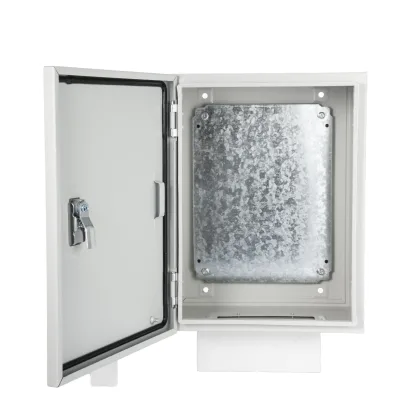
Material composition is a primary signal of quality, with cold-rolled steel and galvanized steel being the dominant shell materials observed in current listings. The surface treatment, typically electrostatic powder coating, provides essential resistance against rust and dust, which is vital for both indoor and outdoor installations. Buyers must scrutinize the listed thickness specifications, which vary between 0.8mm and 1.2mm, as this dimension directly correlates with the structural integrity and the ability of the enclosure to withstand physical stress during transport and installation.
Technical Specifications to Verify
Technical verification must begin with the protection rating, as the observed data shows a significant range from IP30 to IP66, with specific mentions of IP30 and IP54 for different models. Selecting the correct ingress protection level is non-negotiable for ensuring the safety of internal components against dust and water, particularly for outdoor applications or harsh industrial environments. Buyers should explicitly request test data or certification for the specific IP rating claimed, rather than relying on general product descriptions that might mix different protection grades.
Mounting and dimensional specifications are equally critical, with options including wall-mounted, surface mount, and console styles. The standard dimensions observed, such as 418462.5 cm or 31.53850 cm, vary significantly based on the intended switch row configuration, which can range from one to three rows. Procurement teams must validate that the panel thickness, often cited as 0.7*0.6cm, aligns with the structural requirements of the specific installation site to prevent deformation or failure under load.
Compliance and Safety Documentation
Safety compliance is paramount, with the observed listings frequently citing CCC and ISO9001 certifications as key indicators of quality management. However, buyers must verify the specific form of these certifications, as some entries note "Partly-welded Type" or specific shell protection grades associated with the certification status. It is essential to ensure that the supplier provides valid, up-to-date documentation that matches the specific model being purchased, as generic claims of compliance do not guarantee that the delivered unit meets the required safety standards for the intended application.
In addition to national certifications, international standards such as EN and China GB Code are often referenced in the product specifications. Buyers should confirm that the enclosure design adheres to the specific electrical codes relevant to their project location, particularly when exporting to regions like Africa, the Middle East, or South America. The presence of selected brands for key components, such as ABB or Schneider, can further validate the safety of the internal electrical architecture, but this must be cross-referenced with the actual component list provided in the technical datasheet.
Cost Drivers and Commercial Terms
The final cost of low voltage electric enclosures is heavily influenced by the degree of customization and the complexity of the manufacturing process. While standard models may have a lower price point, the observed data indicates that made-to-order units with specific dimensions or protection grades can command significantly higher prices. Buyers should anticipate that customization requests, such as specific color finishes or unique mounting configurations, will extend the sample time to 7-14 days and potentially increase the overall unit cost due to the specialized labor and materials required.
Commercial terms play a decisive role in the total procurement budget, with trade terms like FOB, CIF, and CFR being standard in the observed listings. The shipping time of approximately 25 days and the lead time of 7-15 days per unit must be factored into the project timeline to avoid delays. Furthermore, the packaging method, ranging from cartons to full wooden cases, impacts both the shipping cost and the risk of damage during transit, requiring buyers to weigh the cost of robust packaging against the value of the enclosed equipment.
Supplier Qualification and Quality Control
Supplier qualification should focus on verifying production capacity and geographic origin, as the data points to major manufacturing centers in Linyi, Shandong, and Hangzhou, Zhejiang. These regions are known for their industrial output, with some suppliers reporting a monthly capacity of up to 10,000 pieces. Buyers must confirm that the supplier has the infrastructure to handle the required volume without compromising quality, especially when dealing with large orders that require consistent adherence to the specified material thickness and surface treatment standards.
Quality control processes must be explicitly defined before placing an order, particularly regarding the inspection of shell protection grades and surface treatments. The observed listings mention features like dustproof and anti-rust properties, but these claims require validation through third-party testing or rigorous in-house quality checks. Buyers should request a quality assurance plan that details how the supplier verifies the IP rating and the integrity of the welds, ensuring that the final product matches the technical specifications provided in the initial inquiry.
Long-Term Procurement Checks
Establishing a long-term procurement strategy requires regular audits of the supplier's ability to maintain consistent product quality over time. Buyers should monitor the consistency of the shell material and surface treatment, as variations in the electrostatic powder coating or steel grade can lead to premature failure in the field. It is advisable to implement a periodic review process that includes sampling and testing of delivered units to ensure they continue to meet the agreed-upon standards for protection, durability, and safety.
Supply chain resilience is another critical factor for long-term success, particularly given the export destinations and the potential for logistical disruptions. Buyers should assess the supplier's ability to manage lead times and shipping schedules, especially when dealing with complex trade terms and international logistics. Developing a relationship with a supplier who offers flexible customization and reliable shipping times will ensure that the procurement of low voltage electric enclosures remains stable and responsive to changing project demands.
FAQs
What materials are used for low voltage electric enclosure shells?
The shells are typically constructed from cold rolled steel or galvanized steel plates. This material choice ensures structural integrity and durability for both indoor and outdoor applications. The surface undergoes electrostatic powder coating to provide anti-rust and waterproof features, protecting the internal components from environmental damage and dust ingress effectively.
Can low voltage electric enclosures be customized for specific projects?
Yes, customization is available to meet specific project requirements. Buyers can request tailored dimensions, switch row configurations, and specific mounting styles such as wall-mounted or surface mount options. The manufacturer accepts custom orders, allowing for adjustments in panel thickness and protection grades to align with unique electrical distribution needs and installation environments.
What certifications do these distribution metering boxes hold?
These boxes hold CCC and ISO9001 certifications, ensuring compliance with quality management standards. The ISO9001 form is partly-welded type, indicating robust manufacturing processes. These certifications verify that the products meet necessary safety and quality benchmarks for use in high-rise buildings and commercial applications, providing buyers with confidence in the product's reliability and regulatory adherence.
What is the typical lead time for ordering these enclosures?
The lead time ranges from 7 to 15 days per unit, depending on order volume and customization needs. Sample times are generally 7 to 14 days, while standard shipping may take around 25 days. This timeline allows for efficient production planning, ensuring that buyers receive their low voltage electric enclosures promptly for installation in various commercial or household settings.
Which brands of components are selected for these enclosures?
Selected brands include ABB, Siemens, Schneider, Chint, Delixi, and Changshu S. These reputable manufacturers provide key components such as circuit breakers, contactors, and frequency converters. Using established brands ensures high performance and reliability within the distribution metering box, offering buyers trusted electrical protection and control solutions for their low voltage electric enclosure systems.
What protection grades are available for these metal boxes?
Available protection grades range from IP30 to IP66, offering varying levels of dust and water resistance. Specific models may feature IP30 or IP54 ratings, suitable for different indoor and outdoor environments. This flexibility allows buyers to select the appropriate enclosure for their specific application, ensuring adequate protection against environmental factors while maintaining safe electrical operations in high-rise buildings or commercial sites.